Weekend Paths to History, Close Enough for a Spontaneous Drive

Today we set our sights on historic towns and heritage trails within a two-hour drive, inviting you to trade long journeys for richer moments. Expect brick-lined main streets, interpretive waypoints, and quiet museum rooms where everyday objects carry extraordinary stories. Pack curiosity, a thermos, and comfortable shoes; we’ll show you how to weave scenic roads into thoughtfully paced walks. Share your finds, ask questions, and subscribe for new routes that turn simple weekends into living encounters with the past.

Picking the Perfect Two-Hour Radius Adventure
Smart Radius Mapping

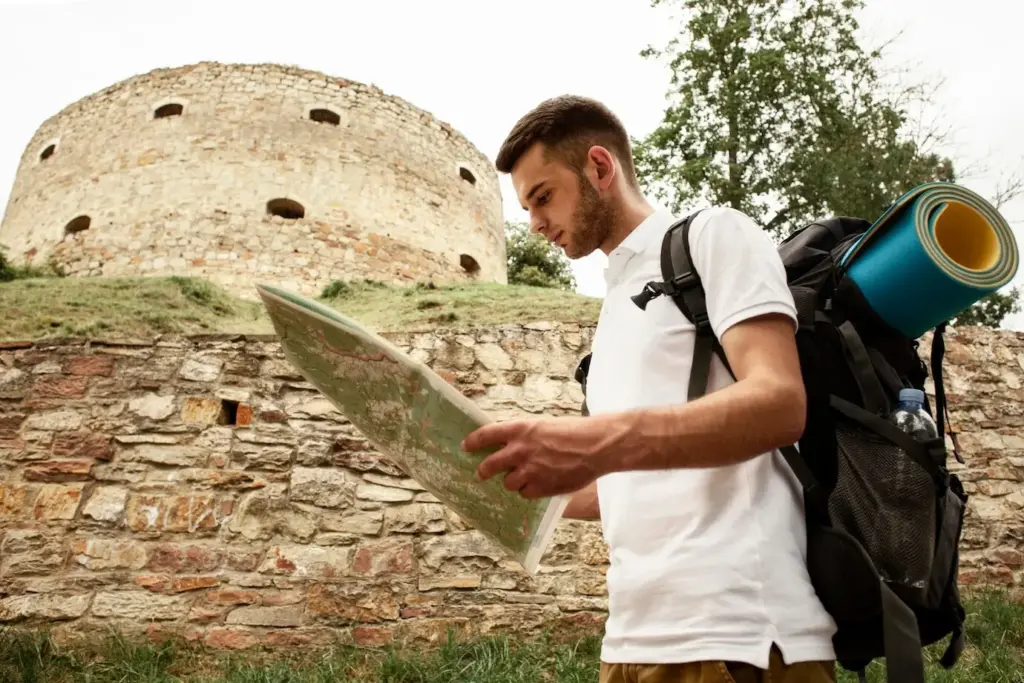
Trace an isochrone from your doorstep and notice how valleys, tollways, and scenic byways reshape what “two hours” really means. Prioritize routes with clusterable stops, safe parking, and walkable cores. Print a simple map, download offline navigation, and mark restrooms, water, and picnic spots to minimize stress and maximize serendipity.

Timing Your Discoveries

Open-air heritage trails feel different at golden hour than under noon glare. Check museum schedules, farmers’ market times, and seasonal closures before committing. Aim for a late-morning arrival, a midday trail loop, and an unhurried late-afternoon main-street stroll. Build in buffer minutes for unscripted chats with docents, bakers, and town historians.

Backup Plans That Save the Day

Heritage trips sometimes meet locked doors or surprise festivals. Keep a plan B within ten minutes: a secondary trailhead, a library local-history room, or a churchyard with century-old headstones. Carry a light rain layer, snacks, and an attitude that reframes detours as fresh pages in the same compelling story.

Reading Towns Through Brick, Timber, and Stone

Historic places speak a layered language visible in cornices, doorways, water towers, and trackbeds. Learn to notice repairs that reveal fires, expansions that hint at booms, and mismatched bricks that whisper of thrifty rebuilds. With patient observation, every façade becomes a paragraph, and intersections become chapters linking people, work, celebration, and change.

The Main Street Time Capsule

Walk past painted ghost signs advertising flour, gloves, or telephones that no longer ring. Peek at transom windows and pressed-tin ceilings that survived a century of renovations. Ask shopkeepers about original uses of their rooms, and you’ll collect living footnotes that make later reading feel personal, grounded, and vividly memorable.

Industrial Echoes by the Water

Mills favored rivers for obvious reasons, and their silhouettes still shape many skylines. Find spillways, powerhouses, and worker rows revealing wage scales and daily rhythms. Follow rail spurs to loading docks reborn as galleries, where curators connect tool marks and textiles to modern craft, bridging labor histories with contemporary creativity.

Walking Heritage Trails With Curiosity and Care

Waymarked loops are outdoor museums stitched through neighborhoods, fields, and riverfronts. Treat each marker as a conversation starter, not an endpoint. Move slowly, compare old photos to present views, and listen for accents in oral histories. Trails thrive when travelers tread lightly, ask permission, and thank volunteers who keep stories accessible.

Follow the Signs, Read the Layers

Trail blazes, plaques, and QR codes are breadcrumbs toward deeper context. Photograph maps at the trailhead, then watch how marker numbers cluster near mills, depots, or courthouses. Pause where the path narrows; layered histories often bottleneck there. Let questions linger, and you’ll notice details you’d otherwise stride past unnoticed.

Make a Portable Archive

Carry index cards, a pencil, and a phone with offline notes. Jot names, dates, and questions that arise between markers. Snap textures—brick bonds, tool gouges, sash details—and note ambient sounds that shape memory. Later, your micro-archive enriches conversations with friends, transforms photos into narratives, and strengthens community contributions.

Respect the Route and Its Keepers

Trails rely on volunteers who repaint blazes, update brochures, and trim encroaching vines. Stay on paths, lift trash you didn’t drop, and close gates behind you. Ask before photographing private porches. A quick thank-you email or donation keeps paint fresh, maps accurate, and future walkers welcomed with open arms.

Taste, Trade, and Handcraft: Meeting the Present in the Past

{{SECTION_SUBTITLE}}
Eat With the Past in View
Choose cafés housed in old post offices or depots, where menus nod to regional harvests. Ask about the pie that keeps elders returning. When you learn why a dish endures—scarcity, celebration, or ingenuity—the bite lingers longer, turning taste into testimony and lunch into a lesson worth remembering.

Meet Makers, Learn Methods

Seek out blacksmith forges, weaving studios, or print shops that open their doors on weekends. Watch hands repeat motions refined by generations, and try a simple task yourself. Buying small keeps these spaces teaching, tinkering, and welcoming children who might one day carry the work forward with fresh eyes.

Family-Friendly Discovery Without the Rush

Short legs, big questions: that’s the joyful equation. Keep distances manageable, expectations flexible, and snacks plentiful. Celebrate small wins like reading a single plaque aloud together. Borrow a children’s map if available, and invite kids to guide a segment. Curiosity thrives when routes fit real attention spans and wonder leads.
Create a scavenger hunt for dates, symbols, and materials: find a keystone, a weathervane, and a brick stamp. Award points for thoughtful observations, not speed. Let children photograph discoveries and write one sentence each. These micro-missions transform walking into play and build attentive habits that enrich future travels.
Choose loops under two miles with benches, shade, and bathrooms. Plan reading breaks where a parent shares a short story tied to the place. Warm cocoa in winter, lemon ice in summer. Small comforts anchor big ideas, helping young travelers associate learning with ease, laughter, and a touch of sweetness.

Travel Kindly, Return Inspired

Kindness keeps heritage alive. Park considerately, greet residents, and ask before stepping onto porches or photographing people. Weather changes quickly; carry layers and a small first-aid kit. Afterward, share respectful notes online, credit sources, and thank guides. Collective gratitude encourages preservation, improves signage, and invites new voices to contribute.
Zaloxixizipako
Privacy Overview

This website uses cookies so that we can provide you with the best user experience possible. Cookie information is stored in your browser and performs functions such as recognising you when you return to our website and helping our team to understand which sections of the website you find most interesting and useful.